
Introduction
The human eye, a wonder of biological engineering, is a complex organ that serves as the body’s camera, capturing light and converting it into electrical signals that the brain interprets as visual images. This process involves numerous parts of the eye, each playing a crucial role in our ability to see.
Parts of the Human Eye and Their Functions
The human eye consists of several key components. The cornea, a clear front surface, refracts incoming light. Behind it lies the iris, the colored part of the eye, which adjusts the size of the pupil to control the amount of light entering the eye. The lens further refracts the light to focus it onto the retina, a layer of light-sensitive cells at the back of the eye. The macula is a small area in the retina responsible for sharp, central vision. The optic nerve transmits the signals from the retina to the brain.
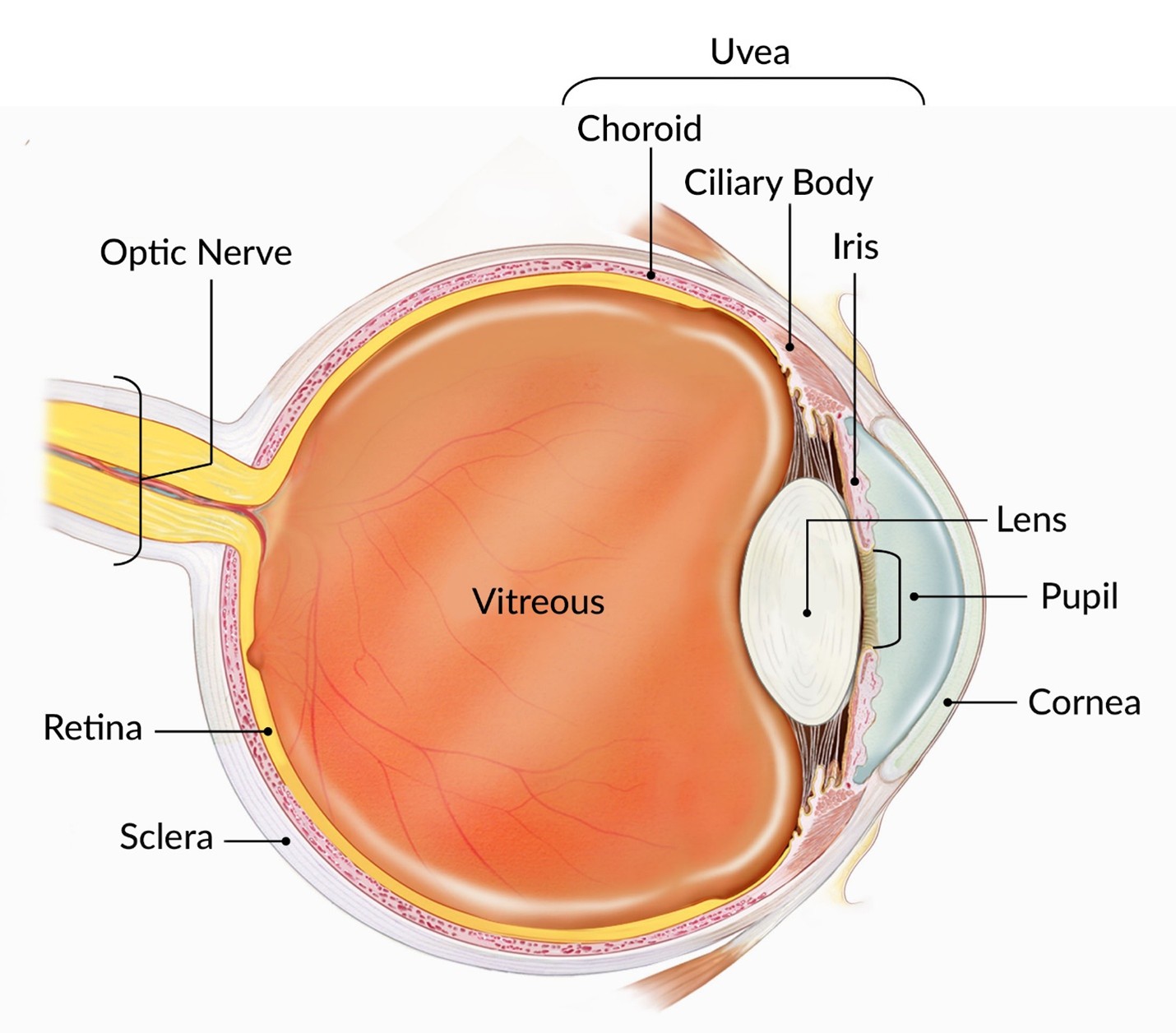 The intricate structure of the human eye allows for precise light
focusing and image processing.
The intricate structure of the human eye allows for precise light
focusing and image processing.
How the Eye Works
The process of vision begins when light enters the eye through the cornea. It then passes through the pupil, the size of which is adjusted by the iris to regulate light intake. The lens focuses this light onto the retina, where it triggers a chemical reaction in the photoreceptor cells (rods for low light vision and cones for color vision).
These cells convert the light into electrical signals that are sent via the optic nerve to the brain. The brain then interprets these signals as the images we see. However, during this process, the image that we see is reversed, or flipped up-side down. If that was the end of the process, we would see the whole world upside down. Luckily, when the brain interprets the images sent by the eyes, it also flips the image right side up.
Conclusion
In conclusion, the human eye is a fascinating and complex organ that provides us with the ability to perceive the world around us. Each part of the eye plays a vital role in capturing light, converting it into electrical signals, and transmitting these signals to the brain. Understanding the eye’s structure and function not only underscores the marvel of our visual system but also highlights the importance of maintaining eye health for preserving our precious gift of sight.
References
- Eye Anatomy: American Academy of Ophthalmology
- Anatomy of the Eye: Johns Hopkins Medicine
- How the Eyes Work: National Eye Institute